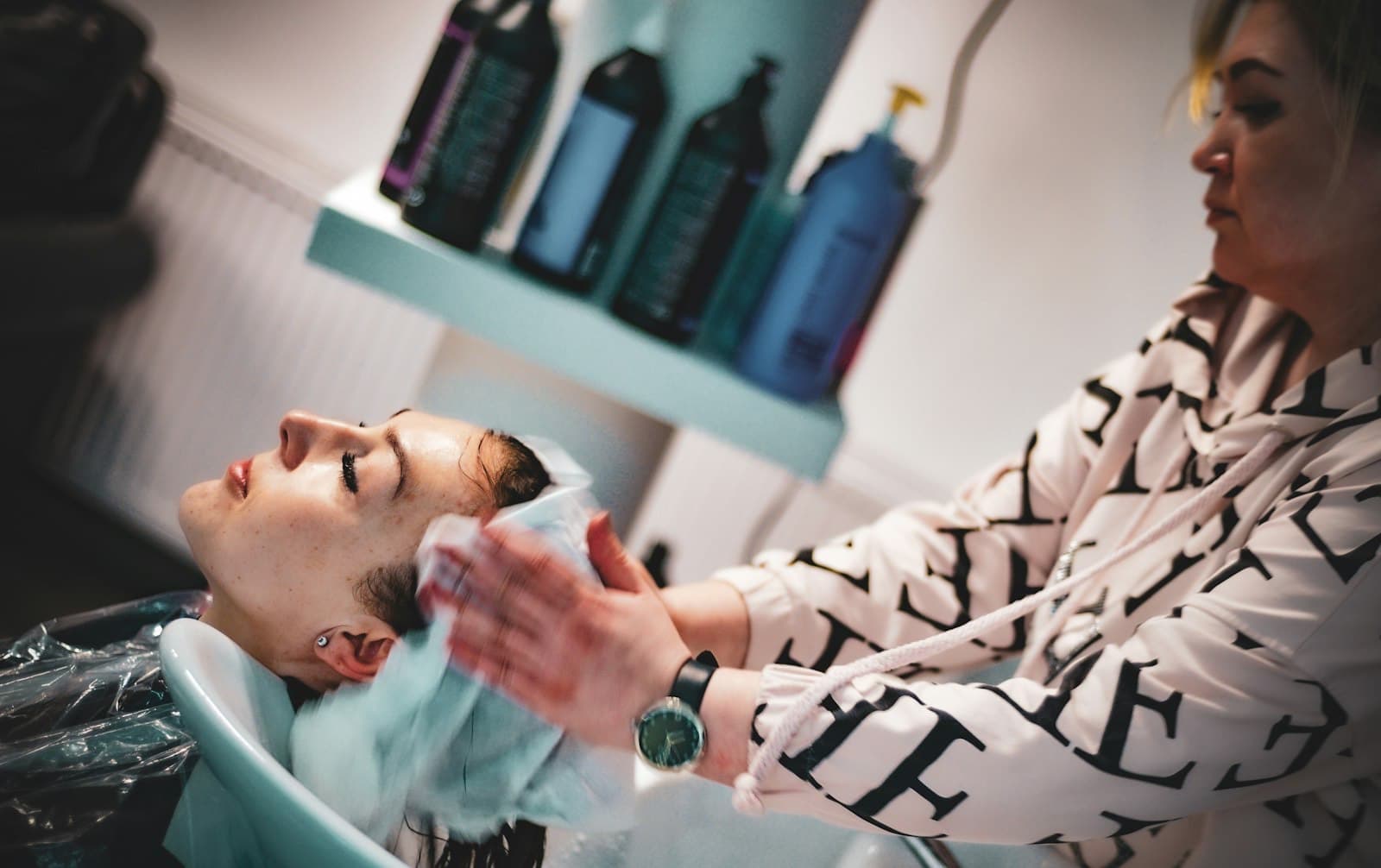
What is a head spa, exactly?
A head spa is a dedicated scalp and hair treatment that goes well beyond a quick shampoo at the basin. Where a normal wash is over in a couple of minutes, a head spa session is usually built around a longer, structured routine: a scalp analysis or check-in, a cleansing step, an extended massage, a treatment mask or serum, and a careful rinse and dry. The whole point is to treat the scalp as skin that deserves its own attention, rather than as an afterthought squeezed in before a haircut.
In the UK, head spas have moved from a niche treatment into something you can now book on most high streets, often at a dedicated head spa studio rather than a traditional hairdresser. Many people find the appeal is twofold: a scalp that feels genuinely cared for, and a slower, more deliberate experience than a standard salon visit allows. If you're trying to work out where a head spa fits versus a facial, a massage, or just a good haircare routine, this guide covers the basics.
Where the ritual comes from
The modern head spa draws heavily on a Japanese head spa tradition, sometimes referred to as "head osteopathy" in translation, that developed as a specialised branch of hair and beauty care in Japan. The idea was to apply the same precision and ritual associated with Japanese spa culture — think detailed steps, specific tools, and unhurried pacing — to the scalp specifically, rather than treating scalp care as a minor part of a haircut.
That approach spread through East Asia and eventually into Western markets, arriving in the UK over the past several years as head spa studios opened in cities and towns across the country. The techniques have been adapted along the way — UK sessions often blend Japanese-style scalp massage with more familiar Western spa elements, such as aromatherapy oils or heated steam caps — but the underlying idea remains the same: give the scalp a dedicated, ritualised treatment of its own, distinct from anything you'd get from an everyday wash.
 Photo: Lindsay Cash / Unsplash
What a typical UK head spa session includes
Sessions vary by salon, but most UK head spa appointments follow a broadly similar structure:
- Consultation. A short conversation about your scalp and hair — dryness, oiliness, sensitivity, or specific concerns — so the therapist can choose suitable products.
- Scalp analysis. Some studios use a microscope camera to show a magnified view of your scalp on a screen before starting, which can be a genuinely useful way to see build-up or dryness you wouldn't otherwise notice.
- Cleansing. One or more shampoo steps designed to lift product build-up, oil, and impurities from the scalp rather than just the hair itself.
- Scalp massage. Usually the centrepiece of the treatment. This can last anywhere from fifteen minutes to well over half an hour, often using the therapist's hands, and sometimes small tools or devices to vary the pressure and technique.
- Treatment mask or serum. A product left on the scalp for a period to address a specific concern, such as dryness or flaking, sometimes combined with steam or a heated cap to help it absorb.
- Rinse and finish. A thorough final rinse, followed by a blow-dry or light styling.
A full session commonly runs somewhere between forty-five minutes and ninety minutes, considerably longer than a wash-and-blow-dry at a typical hairdresser. Many people find the massage portion the most noticeably different part of the experience compared with anything they've had at a regular salon.
Who a head spa is for
Head spas aren't reserved for any one hair type or age group. People book them for a range of reasons: some are chasing an all-over sense of relaxation after a stressful week, others are hoping to address a specific scalp concern such as dryness, flakiness, or a build-up of styling products, and some simply enjoy having a dedicated, unhurried treatment that a standard haircut appointment doesn't allow time for.
It's worth being clear-eyed here: a head spa is a wellness and grooming treatment, not a medical one. If you have a diagnosed scalp condition — persistent dandruff, eczema, psoriasis, or hair loss you're concerned about — a head spa may help you feel more comfortable and relaxed, but it isn't a substitute for advice from a GP, dermatologist, or trichologist. Always mention any skin sensitivities or conditions to the therapist before you start, so they can adjust products and pressure accordingly.
How it differs from a normal salon wash
The easiest way to understand a head spa is to compare it directly with the shampoo and blow-dry you'd get before a standard haircut:
A salon wash is quick — often under five minutes — and exists mainly to prepare your hair for cutting or styling. The scalp massage element, if there is one, tends to be brief and almost incidental. A head spa flips that priority. The scalp is the main event rather than a preliminary step, the massage is extended and deliberate, and the products used are chosen specifically for scalp health rather than simply for washing hair before a cut. Many head spa studios also use additional equipment — steam caps, scalp cameras, specialised massage tools — that you wouldn't typically find at the basin in a general hairdresser.
Pricing reflects that difference too. A head spa session in the UK typically costs more than a basic wash and blow-dry, in the same way a facial costs more than a five-minute face wash, because you're paying for time, specialised technique, and often a calmer, spa-like setting.
If you'd like to see what treatments are on offer near you, browse listings in our full directory, or explore hair treatments specifically if scalp and hair care is your main focus.
Quick FAQ
Do I need to wash my hair before I go? No — most studios prefer you to arrive with your hair as it naturally is, since part of the process involves analysing and cleansing your existing scalp condition.
Will a head spa help with hair growth? Many people find the massage relaxing and enjoyable, and increased blood flow to the scalp is often cited as a possible benefit, but there isn't strong evidence that a single treatment, or even a regular course of them, will meaningfully change hair growth. Treat it as a wellness treatment rather than a growth solution.
How often should I book one? There's no fixed rule. Some people treat it as an occasional indulgence, others build it into a monthly routine alongside regular haircuts, depending on budget and how their scalp responds.
Is it suitable for coloured or chemically treated hair? Generally yes, though it's worth telling your therapist about any recent colour, perm, or chemical treatment so they can pick gentle, compatible products.