An hour where nothing else is asked of you
A lot of people book their first head spa not because of a scalp concern, but because they simply need an hour where nobody needs anything from them. Work, phones, and the general noise of daily life don't tend to switch off on their own — a head spa gives you a structured reason to sit still, put the phone away, and let someone else take over for a while. It's this quality, as much as the massage itself, that people often describe when asked why they keep coming back.
This guide focuses on that side of the treatment: what a session feels like when relaxation is the goal, and how to get the most from it. It's worth saying clearly upfront that a head spa is a wellness treatment, not a treatment for diagnosed anxiety or a mental health condition — if you're dealing with either of those, a GP is the right first port of call, and a head spa can sit alongside that support rather than replace it.
What the session actually feels like
Most sessions begin with a short consultation, then move into cleansing and the massage itself, which is usually the longest part of the appointment. The pressure and pace vary by studio and therapist, but many people describe the massage phase as the point where their mind starts to properly quieten — the sustained, rhythmic touch on the scalp, temples, and sometimes the neck and shoulders tends to have that effect for a lot of people, in the same way a long back massage does for others.
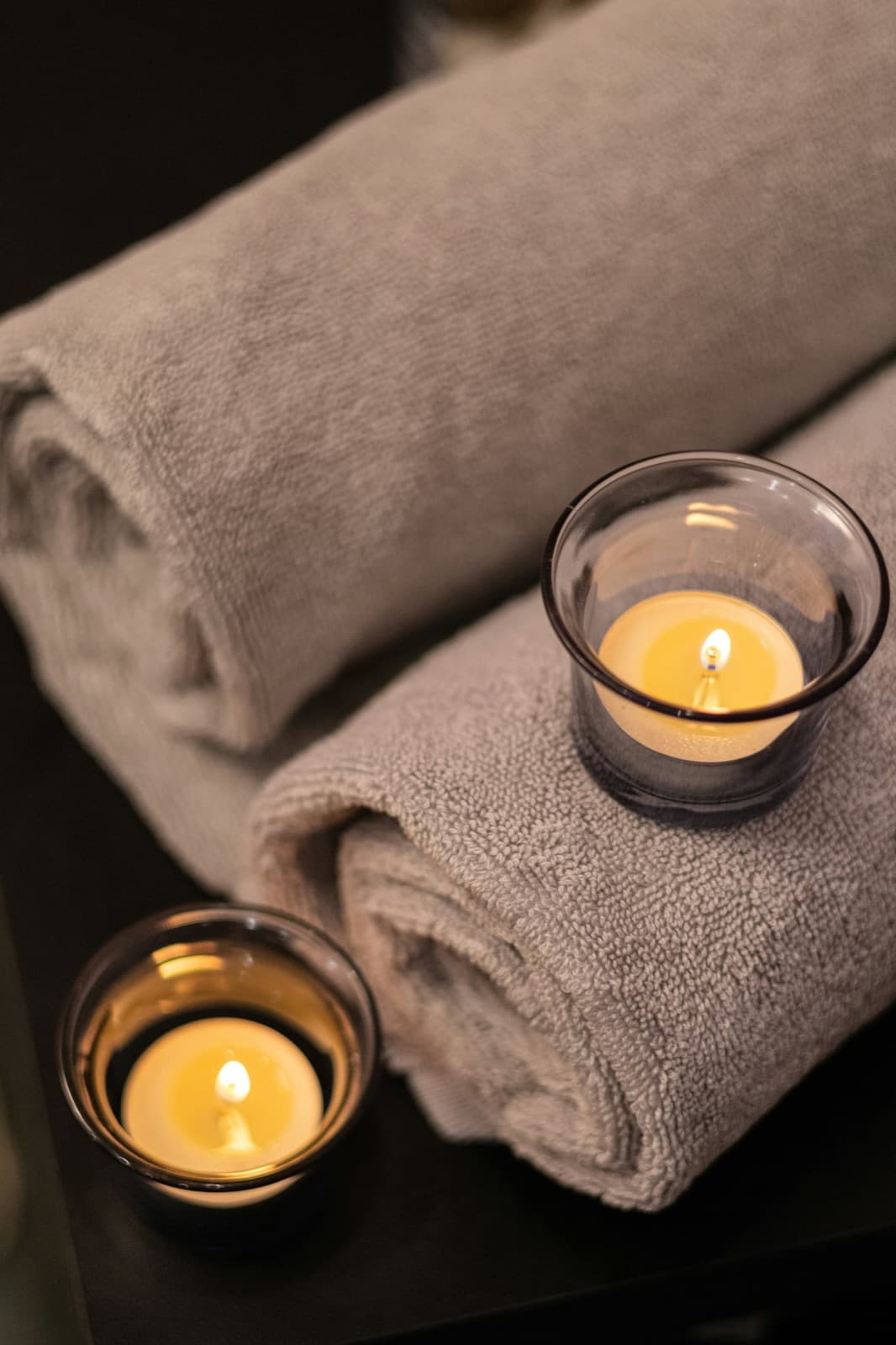
Many studios add sensory details that support this further: warm steam caps, low lighting, quiet or ambient music, and a private or semi-private treatment space. None of these are essential to the treatment technically, but they contribute to the overall sense of having stepped out of your normal environment for a while, which is often half the point.
 Photo: Clay Banks / Unsplash
Why scalp massage tends to feel relaxing
There's a straightforward, well-understood reason sustained scalp massage feels calming for many people: it's simply massage, applied to an area that rarely gets touched with any real attention. Massage in general is widely recognised as a way to ease short-term muscular tension and support relaxation, and the scalp, temples, and neck carry more tension than most people realise, especially if you spend long stretches at a screen or naturally clench your jaw. A head spa applies that same basic principle specifically to the head.
It's worth being precise about what this does and doesn't do. Many people find real, in-the-moment relaxation and a noticeable drop in tension by the end of a session — that's a genuine and common effect. It isn't a treatment for anxiety disorders, chronic stress-related illness, or any diagnosed condition, and framing it that way would be overselling something that's fundamentally a pampering treatment rather than a clinical one.
Getting more from the session
A few small choices can shape how relaxing a session feels. Arriving a little early rather than rushing straight from work gives you a moment to settle before the treatment starts. Turning your phone to silent, or leaving it in a bag rather than on the treatment chair, removes the temptation to check it mid-massage. And communicating with your therapist about pressure — some people want deep, firm pressure to release tension, others prefer something lighter and more soothing — makes a real difference to how the session lands for you specifically.
Complementary habits between visits
A single session can leave you feeling noticeably lighter for a day or two, but if ongoing stress relief matters to you, it helps to pair occasional head spa visits with habits you can practise more regularly at home. A few minutes of scalp massage with your fingertips in the shower, slower and more mindful than your usual quick shampoo, can echo some of the same sensations. Simple things like reducing screen time before bed, taking short breaks during a desk-heavy day, and getting outside for even a short walk all support general stress management in ways a head spa alone can't replicate on its own.
None of this is a substitute for proper support if stress is significantly affecting your life. If that's the case, speaking to a GP, or looking into talking therapies, is a more appropriate route than relying on spa treatments, however enjoyable they are.
Choosing where to go
Because the relaxation side of a head spa depends heavily on atmosphere and therapist approach, it's worth being a little selective if stress relief is your main reason for booking. Look for studios that describe a calm, unhurried setting rather than a fast turnaround service, and check reviews for mentions of the massage quality specifically. Our directory lists studios across the UK, and if you want the full traditional experience, our guide to Japanese head spa treatments covers the style most associated with this slower, more ritualised approach.
Booked with the right expectations, a head spa is a genuinely pleasant way to spend an hour decompressing — just one that works best as part of a wider approach to managing stress, rather than the whole of it.