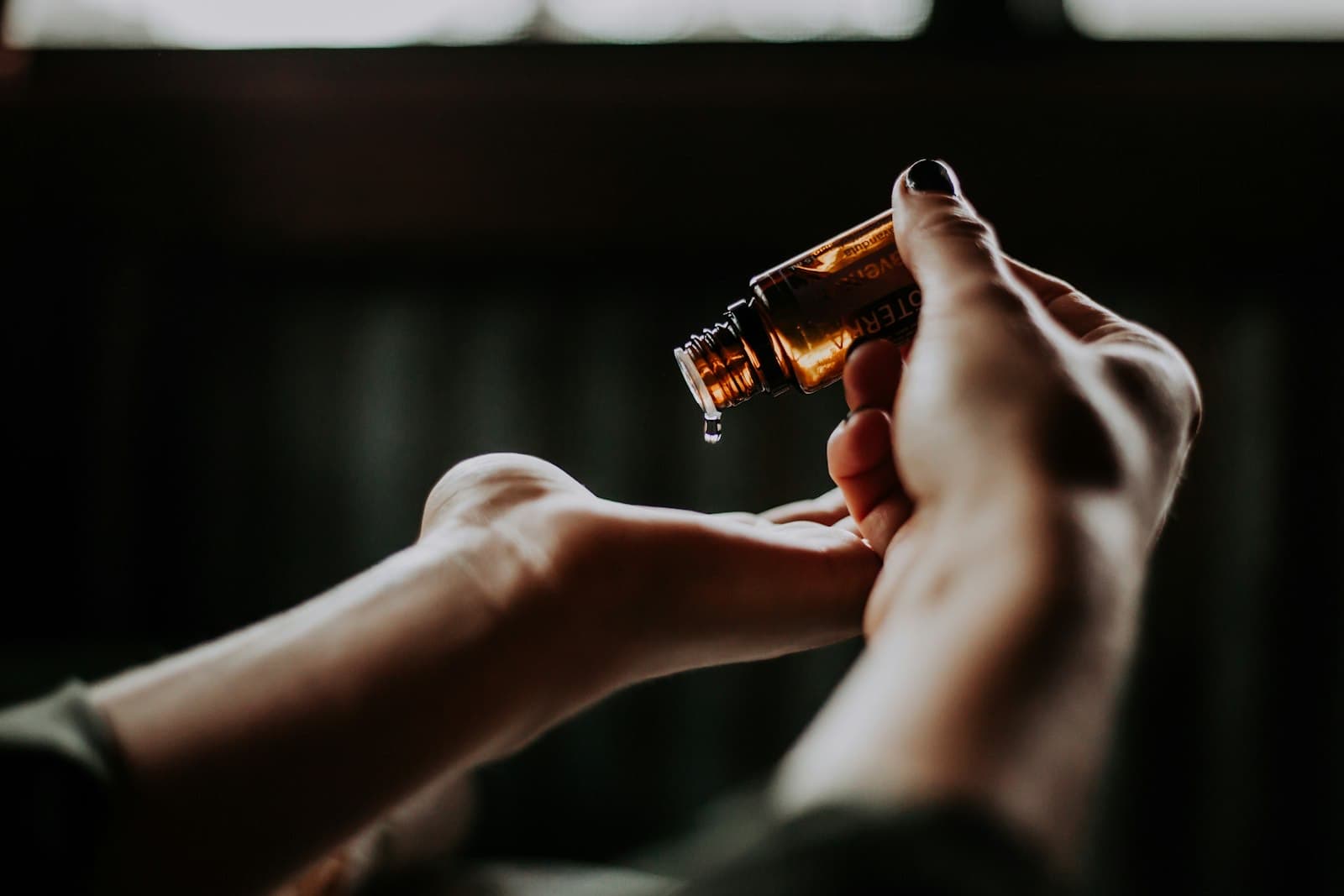
A tradition much older than the modern head spa
Long before "head spa" was a phrase anyone used in the UK, hair oiling was an established, everyday part of haircare in many cultures, particularly across South Asia, the Middle East, and parts of Africa. Warm oil worked into the scalp, often as a regular ritual rather than an occasional treat, has been used for generations to nourish hair, soothe the scalp, and mark a moment of care within a broader beauty and wellness practice. It's worth acknowledging that heritage directly — much of what UK head spas now offer as a feature draws on traditions that predate the modern spa industry by a long way.
Today, oiling has found a place within the UK head spa scene, often blended with the more recent Japanese head spa approach to scalp massage. This guide covers how it's typically used in that context and how to think about choosing an oil, whether you're trying it during a professional treatment or building it into a routine at home.
How UK head spas use oiling
Not every UK head spa includes an oiling step — some focus purely on cleansing, massage, and steam — but a good number incorporate warm oil application as part of the treatment, either as a standalone pre-wash step or worked in alongside the massage itself. The oil is typically warmed slightly before application, which helps it absorb more easily and feels noticeably pleasant against the scalp, then massaged in thoroughly before being left for a period, sometimes under a warm towel or steam cap, and finally washed out completely.
The stated aims are generally to nourish dry hair and scalp, add shine, and support the massage element by giving the therapist's hands some slip against the scalp. It's worth keeping expectations realistic here too: oiling can genuinely leave hair looking and feeling more conditioned in the short term, and many people find the ritual itself relaxing, but it isn't a treatment that changes your hair's underlying structure or reverses damage that's already happened, such as split ends, which can only be cut away.
 Photo: Ela De Pure / Unsplash
Choosing an oil
If you're building oiling into an at-home routine, or simply want to understand what a studio might be using, a few common options are worth knowing:
- Coconut oil is widely used and well suited to straight-to-wavy hair textures; it's generally considered good at reducing protein loss when applied before washing. It can feel heavy on very fine hair if overused.
- Argan oil is lighter, absorbs relatively quickly, and works well for adding shine without excessive heaviness, making it a popular choice for finer or already oily-leaning hair and scalps.
- Jojoba oil closely resembles the scalp's own natural oil (sebum) in structure, which is why some people find it particularly well tolerated, including on oilier scalps where heavier oils can feel like too much.
- Castor oil is thick and often used specifically on the scalp in small amounts rather than through full lengths, though claims about it dramatically boosting hair growth go well beyond the actual evidence — treat it as a heavy, nourishing oil rather than a growth treatment.
- Almond and olive oil are both easily available, gentle, and reasonable starting points if you want to try oiling without buying something specialised, though olive oil in particular can feel heavier and take more rinsing to remove fully.
There's no single "correct" oil — the right choice depends on your hair type, how oily your scalp naturally runs, and personal preference around scent and texture. If you have a nut allergy, check ingredients carefully, since some hair oils are nut-derived or blended with nut oils.
A basic technique
Whether at a studio or at home, the basic principle is similar: warm a small amount of oil between your palms or in a bowl of warm water, apply it to the scalp rather than just the lengths, and massage gently in circular motions for a few minutes. Leaving it for twenty minutes to an hour is common for a light treatment; some people leave a lighter oil in overnight, though this needs a good pillowcase-protecting plan and isn't necessary to get a benefit. Always follow with a thorough shampoo — oil left in the hair without proper washing can leave it looking greasy and weighed down rather than nourished.
Patch test any new oil on a small area of skin before applying it broadly, particularly if you have sensitive skin or known allergies, and stop use if you notice any irritation.
Trying it professionally
If you'd like to experience oiling as part of a fuller treatment rather than experimenting at home alone, it's worth checking a studio's treatment menu or asking directly whether their head spa includes an oil step, since not all do. Our directory lists head spa studios across the UK, and our guide to Japanese head spa treatments explains where oiling typically sits within a broader session, alongside the massage and cleansing steps that usually make up the rest of the experience.
Oiling isn't essential to getting value from a head spa, but for many people it's one of the more distinctly enjoyable parts of the ritual — a small, well-established tradition that the modern head spa has borrowed, and arguably done justice to.